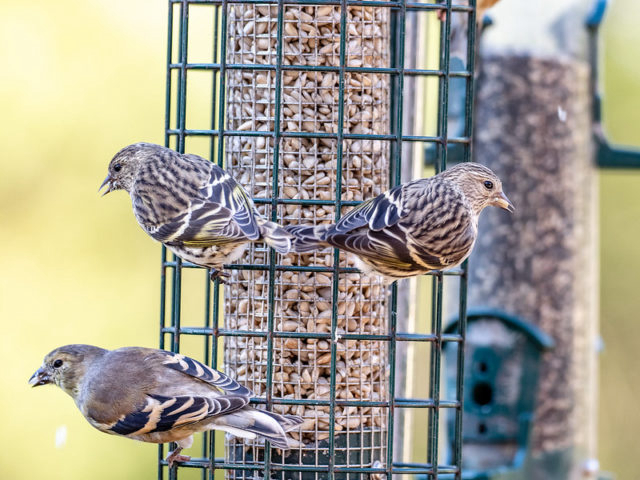
Seasonal Bird Feeding: Navigating Content Access Blocks
For many nature enthusiasts, the simple act of feeding birds brings immense joy and a vital connection to the wild world right outside their windows. However, supporting our feathered friends year-round isn't a one-size-fits-all endeavor. The needs of birds shift dramatically with the seasons, from the high-energy demands of spring nesting to the critical fat reserves required for winter survival. Understanding these seasonal nuances is key to being an effective and responsible bird feeder. Yet, surprisingly, comprehensive and easily accessible information on seasonal bird feeding can be elusive online, often hidden behind digital barriers designed to prevent content crawling.
Indeed, attempting to research the intricate details of adapting your bird feeding strategy often leads to frustrating dead ends – security verification pages, anti-crawler protections, and general content scarcity. This digital landscape makes it harder for eager backyard birders to find the critical guidance they need. This article aims to cut through that digital static, offering a definitive guide to seasonal bird feeding while acknowledging the challenges of accessing such vital information in the modern digital age. We'll delve into what, when, and how to feed birds throughout the year, ensuring your garden remains a thriving avian haven.
The Seasonal Nuances of Bird Feeding: Why Adapt?
The natural world operates on a seasonal rhythm, and birds are exquisitely tuned to it. Their diets, energy requirements, and even their presence in your garden fluctuate significantly. Providing the right food at the right time can make a profound difference to their health, survival, and reproductive success. Adapting your seasonal bird feeding strategy is not merely about convenience; it’s about providing targeted nutritional support that complements natural food sources and addresses specific seasonal challenges.
Spring: Fueling Nesting & Migration
As winter recedes and the days lengthen, spring brings a flurry of activity. Migratory birds return, and resident species begin the arduous process of nesting and raising young. This period demands a high-energy, protein-rich diet to support egg-laying, chick development, and the demanding flights of migration. Natural insect populations are booming, but supplementary feeding can be a crucial boost.
- What to offer: High-protein options like live or dried mealworms are invaluable, especially for insectivorous species. Suet (especially rendered, harder suet that doesn't melt easily) remains popular, providing concentrated energy. Black oil sunflower seeds are excellent for their high fat and protein content.
- Key considerations: Maintain impeccable feeder hygiene. Warm, moist conditions can foster bacterial growth, which is particularly dangerous for vulnerable young birds. Ensure a fresh, clean water source for drinking and bathing, as hydration is critical after migration and during nesting.
- Expert tip: Consider offering crushed eggshells (baked to sterilize them) in a separate feeder. The calcium is vital for egg production in female birds.
Summer: Supporting Youngsters & Avoiding Pests
Summer sees the peak of nesting and the fledging of countless young birds. While natural food sources are abundant, supplementary feeding can still provide an easy energy top-up, particularly for busy parent birds. However, the heat and increased insect activity bring new challenges to your seasonal bird feeding efforts.
- What to offer: Continue with black oil sunflower seeds, nyjer (thistle) for finches, and safflower for species like cardinals and grosbeaks. Nectar feeders for hummingbirds are essential. Limit soft suet, as it can melt and become rancid in high temperatures; opt for no-melt suet cakes if you continue offering it.
- Key considerations: Prevent food spoilage and deter pests. Clean feeders daily, especially nectar feeders which can quickly grow mold or ferment. Squirrels, raccoons, and ants are more active; employ baffles or squirrel-resistant feeders. Maintain your water source diligently, refreshing it multiple times a day.
- Expert tip: Avoid offering bread or human-processed foods, which have little nutritional value for birds and can actually be harmful, especially to developing fledglings.
Autumn: Pre-Migration & Winter Prep
As summer wanes, birds enter a critical phase of preparation for either migration to warmer climates or enduring the harshness of winter. Both strategies require significant energy reserves, making autumn an important time for high-calorie offerings in your seasonal bird feeding station.
- What to offer: Focus on high-fat, high-calorie foods. Black oil sunflower seeds, shelled peanuts (raw, unsalted), and suet cakes (hardened varieties) are ideal. White millet can attract ground feeders like sparrows and juncos.
- Key considerations: Be consistent. Birds begin to rely on your feeders as a predictable food source. Continue rigorous cleaning, though the cooler temperatures might reduce spoilage rates slightly.
- Expert tip: Consider planting native plants that produce berries or seeds in autumn. These offer natural food sources and shelter, complementing your feeders.
Winter: Survival & Sustenance
Winter is arguably the most critical season for backyard bird feeding. Natural food sources are scarce, and birds expend immense energy just to stay warm. A consistent supply of high-energy food can be the difference between life and death for many species.
- What to offer: Prioritize high-calorie, fat-rich foods. Black oil sunflower seeds, suet (especially suet cakes with nuts or mealworms), shelled peanuts, and cracked corn are excellent choices. Nyjer seeds are vital for finches.
- Key considerations: Consistency is paramount. Once you start feeding in winter, try to keep your feeders full, as birds will come to depend on them. Protect feeders from snow and ice, ensuring birds can access the food. An open water source, even a heated bird bath, is incredibly valuable.
- Expert tip: Position feeders near natural shelter (dense shrubs or evergreens) to provide protection from cold winds and predators while birds feed.
Overcoming the Digital Hurdles: Finding Reliable Seasonal Bird Feeding Information
While the demand for information on effective seasonal bird feeding practices is high, the journey to find it online can often feel like navigating a maze. Our own research for this article highlighted a frustrating trend: many valuable resources are protected by anti-crawler measures or security verification pages. This means automated tools and sometimes even human users face barriers, making comprehensive data extraction and aggregation challenging. It's a digital paradox where crucial ecological information is unintentionally locked away, making it difficult for enthusiasts to readily access consolidated guides. For more on the challenge of content scarcity, see The Elusive Guide: Seasonal Bird Feeding Content Scarcity.
The reasons behind these access blocks can vary – from websites protecting proprietary content to general cybersecurity protocols aimed at deterring malicious bots. However, the result is the same: a fragmented information landscape for important topics like optimal bird care. If you find yourself hitting these digital walls, don't despair. Here are some alternative strategies to find credible information:
- Visit Reputable Conservation Websites Directly: Organizations like the National Audubon Society, Cornell Lab of Ornithology, or local birding groups often host excellent, detailed guides that are designed for human consumption, not just search engine crawlers.
- Consult Field Guides and Books: Sometimes, the oldest methods are the best. High-quality bird feeding books and regional field guides offer well-researched, evergreen advice.
- Engage with Local Birding Communities: Join local Audubon chapters or birdwatching clubs. Experienced birders are a wealth of knowledge and often have practical tips specific to your region.
- Look for University Extension Services: Many university agricultural or wildlife extension programs provide fantastic, scientifically backed advice on attracting and feeding birds in your area.
- Explore Specialty Bird Supply Retailers: Companies specializing in bird feeding products often have informative blogs or resources sections on their websites.
- Trust Well-Researched Articles (Like This One!): Seek out comprehensive articles that have clearly done the legwork to gather and synthesize information, offering clear, actionable advice. To understand the technical aspects of these barriers, explore Anti-Crawler Protection: The Barrier to Seasonal Bird Feeding Info.
Essential Best Practices for Year-Round Bird Feeding
Beyond seasonal food choices, several foundational practices ensure your seasonal bird feeding efforts are beneficial and safe for birds throughout the year. These principles are universal and should be consistently applied, regardless of the season.
- Maintain Impeccable Hygiene: This cannot be stressed enough. Dirty feeders are breeding grounds for bacteria and mold, which can spread diseases like salmonellosis and avian pox among bird populations. Clean feeders thoroughly every 1-2 weeks (more frequently in warm, wet weather) with a dilute bleach solution (1 part bleach to 9 parts water), rinse well, and dry completely before refilling.
- Provide a Reliable Water Source: Fresh water for drinking and bathing is just as crucial as food. A bird bath, kept clean and refilled daily, is a magnet for birds. In winter, a heated bird bath can be a lifeline.
- Strategically Place Feeders: Position feeders in safe locations, away from predator ambush points (like dense bushes where cats can hide), but within sight of windows so you can enjoy the birds. Ideally, place them within 10 feet of a tree or shrub for quick escape cover. Avoid placing feeders too close to windows to prevent collisions, or use window decals if collisions are an issue.
- Offer a Variety of Feeders: Different feeder types attract different species. Tube feeders for small seeds, hopper feeders for larger seeds, platform feeders for ground feeders, suet cages, and nectar feeders will broaden the diversity of birds visiting your garden.
- Consistency is Key: Once you start feeding, try to be consistent, especially during harsh weather. Birds learn to rely on your feeders. While they will find natural food if your feeder is empty, a reliable food source is particularly important during lean times.
- Supplement with Native Plants: The ultimate way to support birds is to provide natural food sources and habitat. Plant native trees, shrubs, and perennials that offer seeds, berries, nectar, and attract insects. This creates a resilient ecosystem that benefits birds year-round, reducing their sole reliance on feeders.
By integrating these best practices with your seasonally adapted feeding strategy, you create a truly supportive environment for local and migratory bird populations. Your backyard becomes not just a food station, but a vibrant, healthy part of their habitat.
Conclusion
Mastering the art of seasonal bird feeding is a rewarding journey that deepens our connection to nature and provides tangible benefits to local avian populations. From the protein boosts of spring to the critical fat reserves of winter, understanding and responding to birds' changing needs ensures our efforts are truly impactful. While the digital landscape might present hurdles in finding consolidated information on this vital topic, by knowing where to look and applying fundamental best practices, any enthusiast can become a savvy and supportive backyard birder. Let’s commit to not only providing nourishment but also maintaining clean, safe, and diverse feeding environments, becoming active stewards of the feathered friends who enrich our lives year-round.