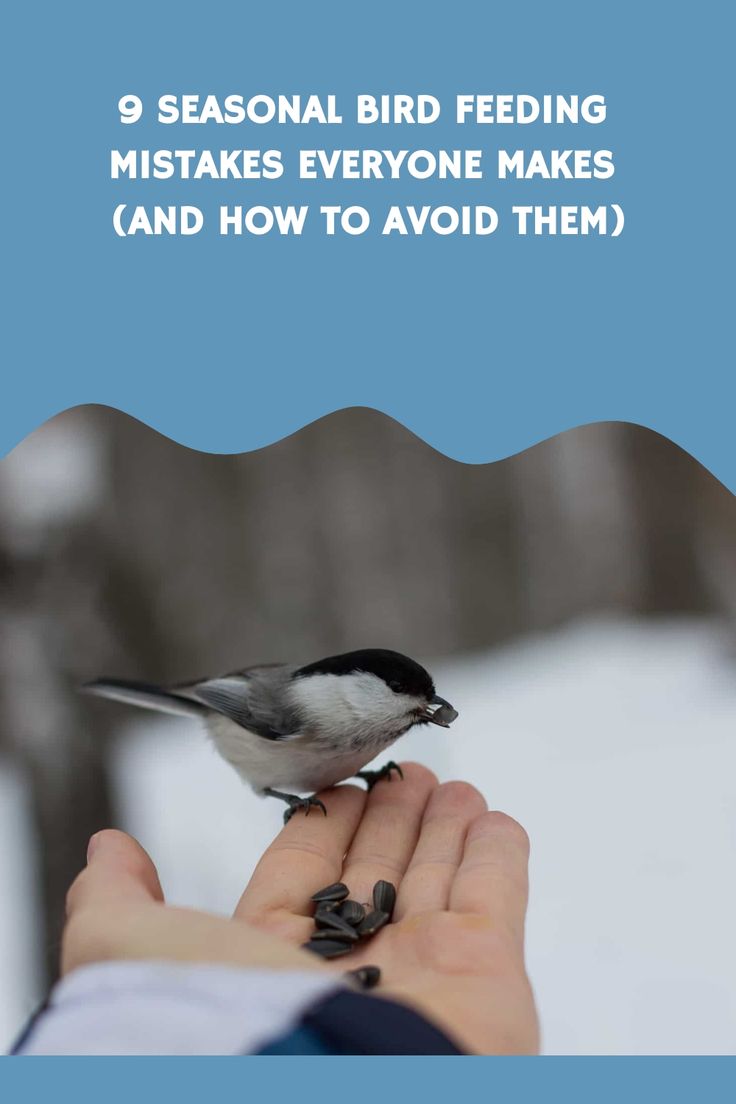
The Elusive Guide: Decoding the Scarcity of Seasonal Bird Feeding Content
For countless nature enthusiasts, the simple act of providing food for birds in their garden brings immense joy and a vital connection to the wild. Yet, as seasons change, so do the needs of our feathered friends. A crucial piece of this symbiotic relationship is understanding how to adapt our feeding practices throughout the year – a concept known as seasonal bird feeding. Surprisingly, for a topic so essential to both avian welfare and human enjoyment, comprehensive and easily accessible guides on seasonal bird feeding appear to be remarkably scarce in the digital landscape. This scarcity isn't just an inconvenience; it represents a significant barrier for enthusiasts genuinely striving to offer the best support to local bird populations.The Digital Dead End: Encountering Anti-Crawler Protection
One of the most perplexing challenges in researching seasonal bird feeding advice online is the frequent encounter with technical roadblocks. Imagine clicking on a promising search result, hoping to find detailed information on summer bird diets or winter feeding strategies, only to be met with a security verification page, a CAPTCHA challenge, or a message about "anti-crawler protection." This frustrating experience is far more common than many realize, as indicated by repeated instances where digital content sources about "seasonal bird feeding" instead yield messages about security checks and inaccessible content.Anti-crawler protection, also known as bot protection or web application firewalls, is a set of technologies implemented by websites to prevent automated programs (bots, web crawlers, scrapers) from accessing or extracting large amounts of data. While these measures are crucial for website security – protecting against DDoS attacks, spam, data theft, and maintaining server performance – they inadvertently create significant hurdles for legitimate users. When a human user's request appears similar to a bot's activity (e.g., rapid page loads, specific user agent strings, or even just repeated access from a single IP), these systems can trigger a security check, effectively blocking access to the very content being sought. For a topic like seasonal bird feeding, where one might be trying to gather information from multiple sources to form a complete picture, this constant battle with security protocols can be incredibly discouraging. The very act of researching responsibly can be misconstrued as malicious intent, trapping valuable information behind an automated wall. To delve deeper into understanding these digital barriers, you might find Anti-Crawler Protection: The Barrier to Seasonal Bird Feeding Info an informative read.
Why is Seasonal Bird Feeding Content So Elusive?
Beyond the technical obstacles posed by anti-crawler protection, several other factors contribute to the observed scarcity of robust seasonal bird feeding guides. This isn't just about a lack of content; it's about the difficulty in finding centralized, authoritative, and easily digestible information.- Fragmented Information: Rather than comprehensive guides, advice on seasonal bird feeding is often scattered across numerous smaller blogs, forums, or specific product pages. One source might discuss summer suet, another winter water, and yet another spring nesting foods. Piecing together a coherent strategy from these disparate fragments requires significant effort and critical evaluation.
- Niche Market Perception: While bird feeding is popular, detailed seasonal adaptations might be perceived by some publishers as a niche within a niche, leading to less prioritization for comprehensive content development. Creating truly detailed, scientifically sound seasonal advice requires research into regional variations, bird species, and ecological shifts, which can be resource-intensive.
- Dynamic Nature of Information: The "best" way to feed birds seasonally can vary significantly based on geographic location, local climate patterns, specific bird species present, and even emerging research in avian nutrition. This dynamic nature makes it challenging to produce a universal "elusive guide" that remains consistently accurate without constant updates and regional adaptations.
- Lack of Centralized Authority: Unlike some other hobbies or scientific fields, there isn't one universally recognized "go-to" digital authority for seasonal bird feeding that consolidates all best practices into an easily navigable format, free from technical access issues.
The Impact of Scarcity on Avian Friends and Enthusiasts
The struggle to find reliable seasonal bird feeding information has tangible consequences for both the birds we aim to help and the people who care for them.For Our Feathered Friends: Birds have varying dietary needs throughout the year. In spring, they require protein-rich foods for nesting and rearing young. Summer brings an abundance of natural insects and berries, so supplemental feeding might shift to provide specific nutrients or support fledgling birds. Autumn is a crucial time for fat reserves as birds prepare for migration or winter survival. Winter demands high-energy fats and seeds to combat cold temperatures. Without proper guidance, well-intentioned feeders might offer inappropriate foods at the wrong time, potentially leading to:
- Nutritional Imbalances: Too much of one type of food and not enough of another.
- Disease Transmission: Poorly maintained feeders, especially in warm, wet conditions, can become breeding grounds for bacteria and mold.
- Dependency Issues: If birds become overly reliant on a single, unchanging food source, they may struggle if that source is suddenly removed or becomes inadequate for their seasonal needs.
For Dedicated Bird Feeders: The content scarcity leads to a sense of frustration and inadequacy. Enthusiasts want to do right by the birds, but the effort required to navigate digital gatekeepers and piece together fragmented advice can be disheartening. This can reduce the enjoyment of the hobby, or worse, lead to well-meaning but ultimately counterproductive feeding practices. The time spent battling security pages could otherwise be spent observing birds or improving their garden habitat.
Navigating the Information Blackout: Tips for Dedicated Bird Lovers
While the challenges are real, determined bird enthusiasts are not entirely without recourse. Here are some strategies to help navigate the current landscape of seasonal bird feeding information:- Diversify Your Search Terms: Instead of broad "seasonal bird feeding," try specific queries like "winter bird food for finches," "summer suet recipe for woodpeckers," or "spring protein sources for garden birds."
- Seek Out Local Experts and Organizations: Local Audubon chapters, university extension offices, wildlife rehabilitation centers, or even knowledgeable staff at local wild bird supply stores often have region-specific advice that is invaluable.
- Consult Print Resources: Don't overlook books, magazines, or pamphlets specifically dedicated to bird feeding or local ornithology. These can provide well-researched and comprehensive guides that bypass digital access issues entirely.
- Engage with Online Communities: Reputable birding forums or social media groups can be excellent places to ask questions and learn from the experiences of others, though always cross-reference advice.
- Be Persistent and Patient: Expect to encounter some dead ends. When you find a promising source, take the time to bookmark it or save the information. Understanding how to overcome these digital content blocks is key, and you can learn more by reading Seasonal Bird Feeding: Navigating Content Access Blocks.
- Cross-Reference Information: If you find a piece of advice, try to verify it with at least one or two other credible sources before implementing it. This helps ensure accuracy and builds a more robust understanding.